From the studio
My grandmother's flowers
How a garden from my childhood, a first camera and a great deal of patience came together in my botanical fine art photography.
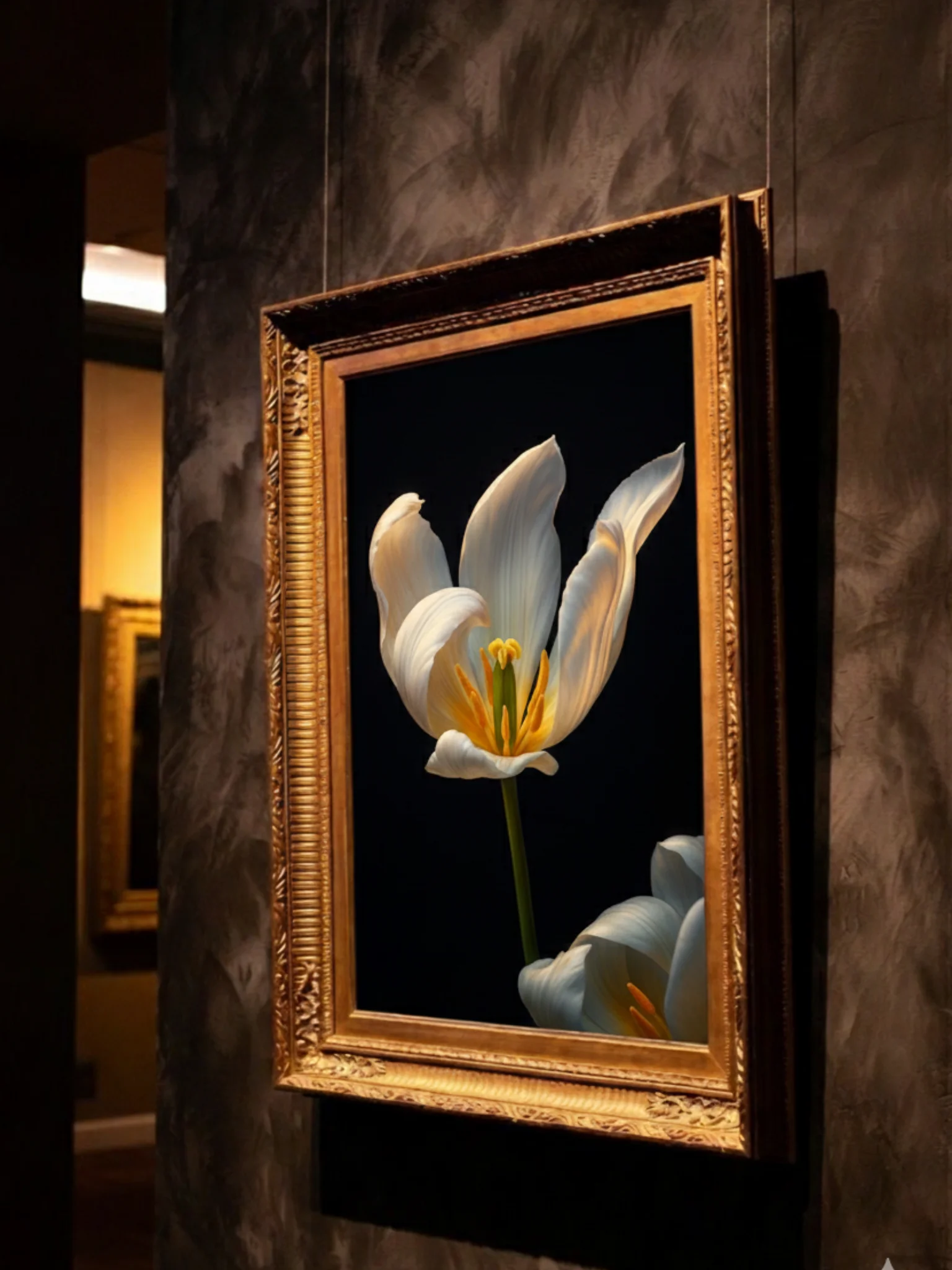
My grandmother called flowers her silent friends. They were everywhere in her garden. I remember the roses after rain most clearly, and the tulips with sunlight passing straight through their petals. She could look at her border for a long time. Not quickly, not to judge whether something looked beautiful, but as if every flower had something to say.
As a child, I thought that was simply how things were. Only later did I understand how much attention lived in that way of looking. My grandmother saw when a bud had opened a little further. She noticed when a flower had turned toward the light. She did not look at flowers as decoration, but as living forms with character.
The garden where looking began
My grandmother’s garden is still often present when I work. Not literally. My images usually begin with one flower, natural light and a quiet background. Still, while photographing, I sometimes recognise exactly that feeling from earlier years.
It is in the scent of a rose after rain. In a tulip petal that lets light pass through. In the stubborn posture of a stem that keeps leaning in a different direction than I had imagined.
“My grandmother called flowers her silent friends. I try to photograph them so you can feel that too.”
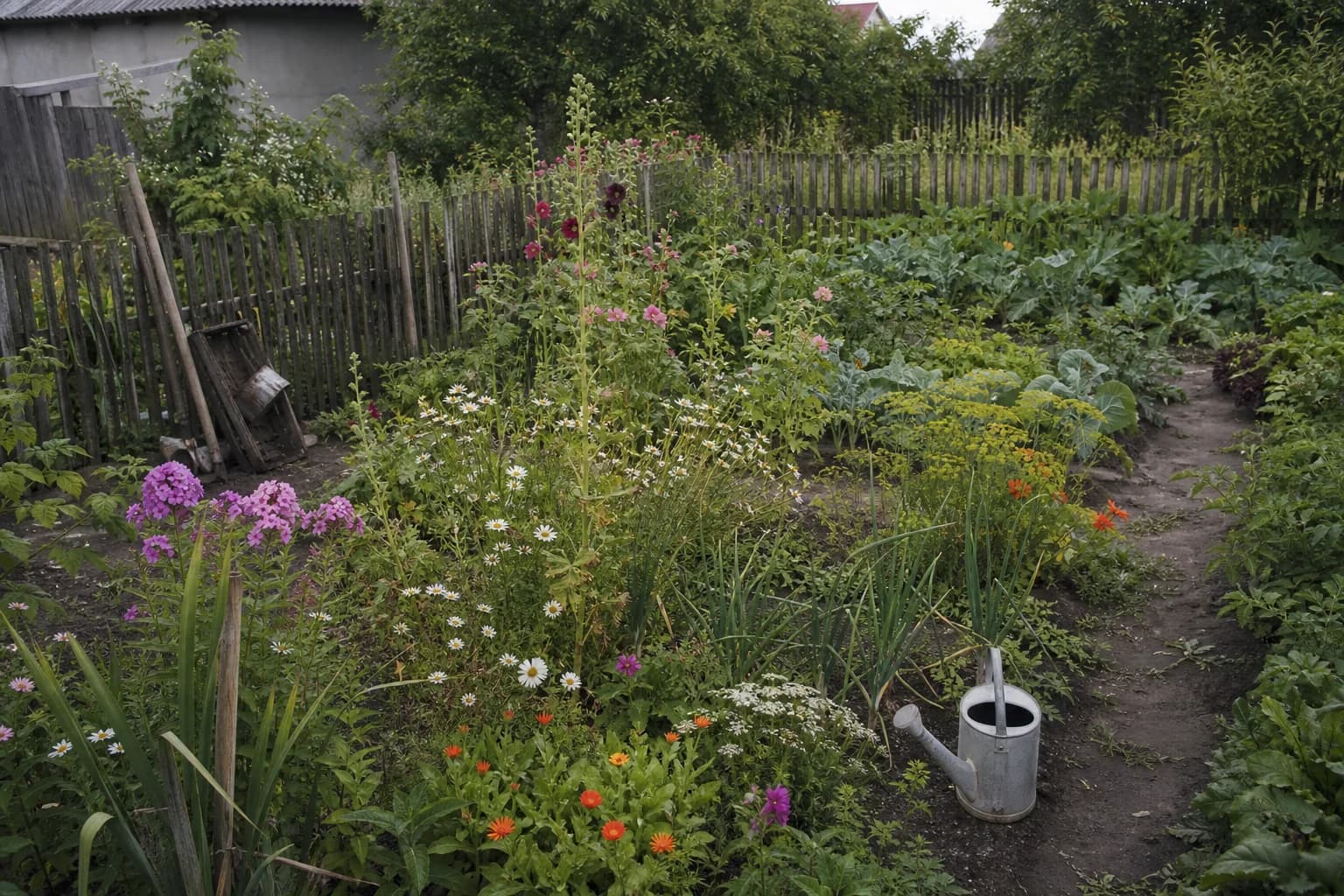
Perhaps that is why I have never seen flowers as simple decoration. A flower can feel familiar. It can wake a memory, make a room quieter or reveal something you only notice when you keep looking.
The camera came later
Photography began for me with an SLR camera my husband gave me. On Sunday mornings I placed a bunch of flowers on a small cabinet and tried to see what happened when I moved it closer to the window. Sometimes the light was too hard. Sometimes everything became flat. Every now and then, there was an image that stayed with me.
I began looking longer before taking the photograph. Which flower held my attention? What happened when I turned the vase just a little? Could I separate one flower without losing its vitality?
That is how a hobby slowly became serious. Not through one grand decision, but through many small Sundays on which I wanted to try again what had not quite worked the time before.
Waiting belongs to the work
I work with natural light. That means I cannot decide everything myself. On an overcast day, the light is soft and even. When the sun suddenly appears, the flower changes immediately. Sometimes I have to wait. Sometimes I have to be quick.
I can spend hours on one image. For much of that time, I do not take a photograph. I move a flower, take a step back and look again. The difference between a pleasant photograph and an image that truly carries something can be very small.
I do not always look for the flower that appears most perfect. A broken leaf or a crooked stem can become important. Flowers have character. When I try to correct too much, that is often the first thing to disappear.
What shadow reveals
My photographs are dark. Not as an effect added afterwards, but as a way of looking. Shadow helps me leave out everything that is not needed. Because of that, the flower receives more space.
Darkness makes colour more intense. The red of a flower becomes warmer. A yellow heart suddenly catches all the light. In a pale flower, the finest veins become visible.
When I select an image, I ask myself simple questions. Do I keep looking longer than I intended? Does the flower have its own presence? Does the image work at a large scale? Would I want to live with it every day?
Technique plays a role, but it is not the endpoint. A technically perfect image can still say very little. In the end, I choose the image that calls me back.
A flower on the wall
My works are released in small editions. The finish with Diasec® acrylic glass and dibond suits the way the photograph itself comes into being: carefully, quietly and with attention to depth. Framing is available only on request.
The deep black remains present. The light gains clarity. Up close, you see small details; from a distance, the form of the flower remains. That change in reading matters to me. A work should not give everything away at once.
Every flower has a different temperament. Some ask for attention immediately. Others reveal themselves slowly. I like that their meaning is not fixed. The memory I have with a flower does not need to be the same as someone else’s.
Perhaps a work makes you think of a garden from long ago. Of flowers on a table. Of someone who always had fresh roses at home. Perhaps you simply see colour, light and a form that brings calm.
That is enough. Every photograph begins somewhere with my grandmother’s garden, with the time she took to look and with her silent friends. That is what I try to pass on.